
Melasma
Unmasking Melasma: Understanding, Managing, and Embracing Your Unique Skin
Have you noticed patches of darker skin appearing on your face, particularly on your cheeks, forehead, or above your upper lip? You might be experiencing melasma, a common skin condition that affects millions worldwide. While it’s not harmful, melasma can be a source of frustration and self-consciousness for many. But don’t worry, understanding this condition is the first step towards managing it and embracing your unique skin.
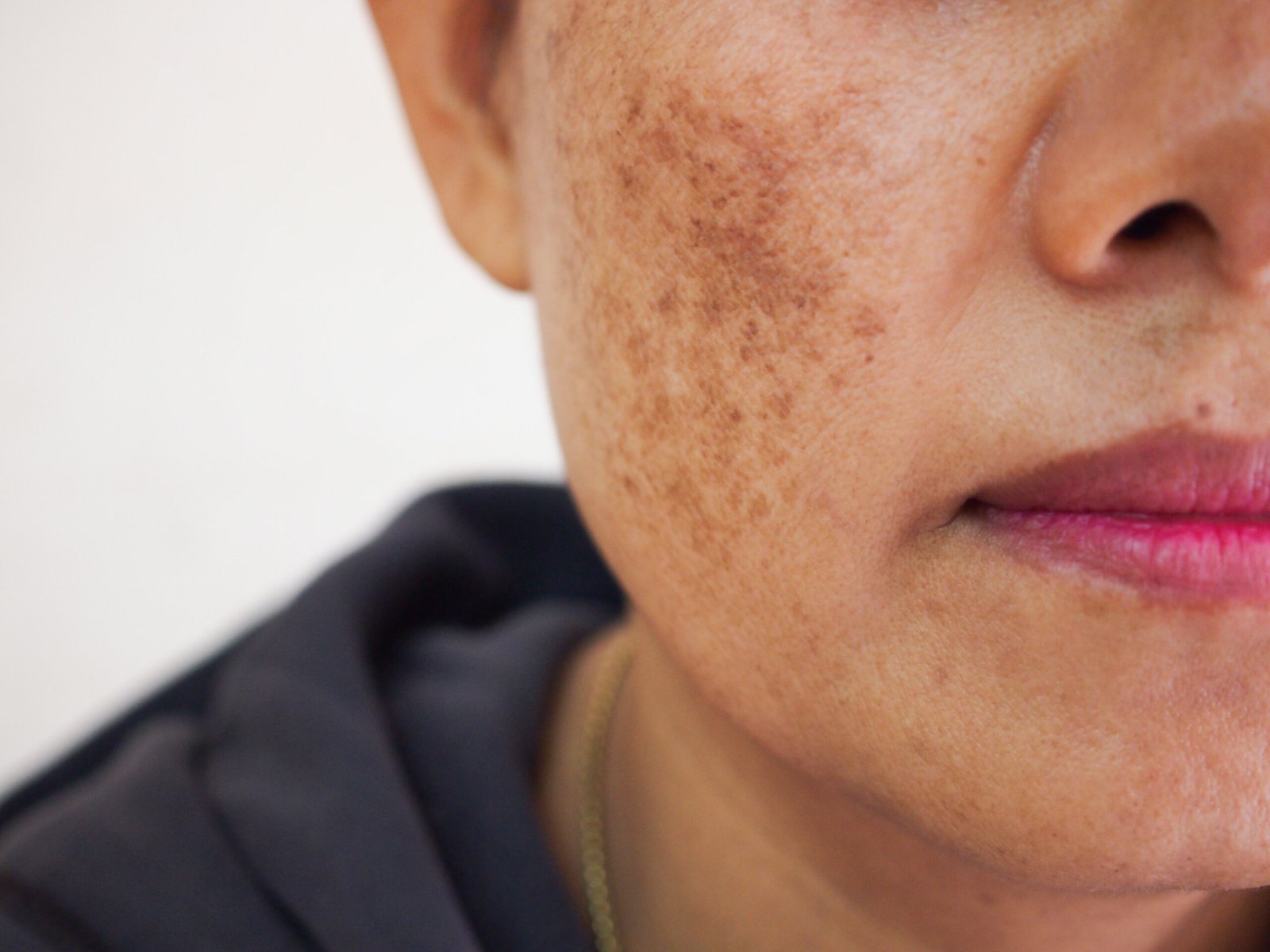
What Exactly is Melasma?
Melasma, often referred to as the “mask of pregnancy” because it frequently appears during hormonal shifts associated with pregnancy, is a skin condition characterized by brown or grayish-brown patches. These patches occur due to an overproduction of melanin, the pigment responsible for skin color.
Who is More Likely to Get Melasma?
While anyone can develop melasma, certain factors increase your susceptibility:
- Hormonal Changes: Pregnancy, hormone replacement therapy, and birth control pills are significant triggers due to their impact on hormone levels.
- Sun Exposure: Ultraviolet (UV) radiation from the sun is a major culprit in both triggering and worsening melasma.
- Genetics: A family history of melasma increases your likelihood of developing it.
- Skin Type: Individuals with darker skin tones (Fitzpatrick skin types III-VI) are more prone to melasma as they have more active melanocytes (melanin-producing cells).
- Certain Skincare Products: Some irritating or photosensitizing skincare products can contribute to melasma.
Recognizing the Signs of Melasma
Melasma typically presents as symmetrical patches of darker pigmentation on the face. The most commonly affected areas include:
- Cheeks: Often appearing as relatively even patches.
- Forehead: Frequently seen on the center of the forehead.
- Upper Lip: Sometimes resembling a “mustache.”
- Chin: Less common, but can occur.

Navigating the Management of Melasma
While there’s no definitive “cure” for melasma, various treatments and lifestyle adjustments can effectively lighten the patches and prevent them from worsening. It’s crucial to remember that managing melasma is often a long-term commitment.